
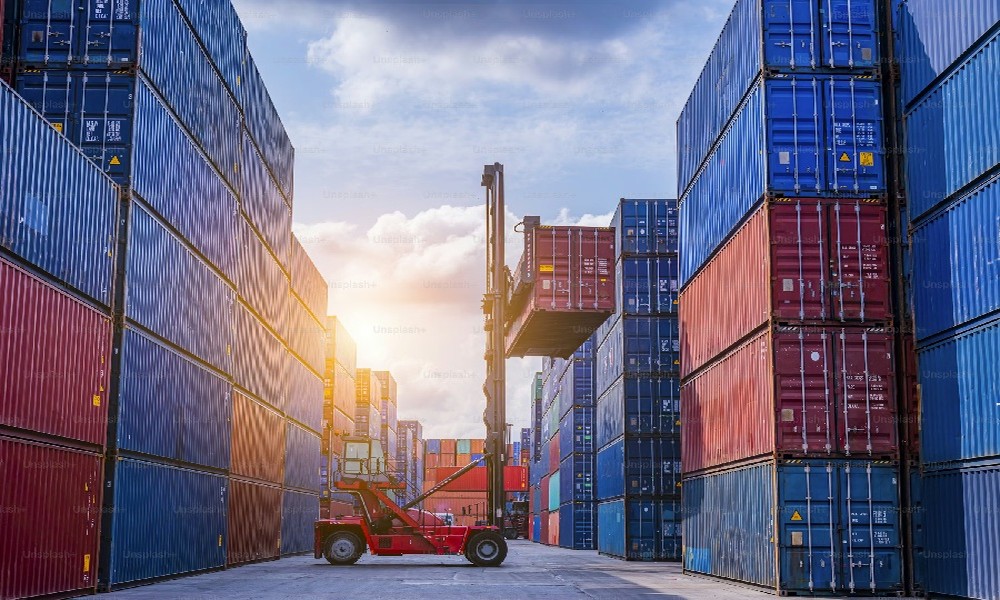
Selecting the right shipping container sizes for your project depends heavily on what the container will actually be used for. A unit configured for bulk storage functions very differently from one fitted out as a site office, and the same applies to containers used in active transport versus static deployment. Getting this right from the beginning ensures the investment delivers genuine long-term value.
Three Primary Use Cases, Three Different Requirements
Containers serve three broad categories of application, each with distinct requirements that influence the ideal choice of size, configuration, and condition grade.
Storage applications prioritise interior volume, weatherproofing, and ease of access. The most common sizes for storage are 10-foot and 20-foot units. These offer manageable footprints while providing enough internal space for most residential and commercial needs. A 20-foot container can accommodate the equivalent of a full removals truck load, while a 10-foot unit suits lighter requirements or constrained sites.
Shipping and logistics applications are governed by the dimensions compatible with international transport systems. The 20-foot equivalent unit (TEU) and 40-foot unit are the backbone of global container shipping. For businesses moving goods between locations, standard 20-foot or 40-foot containers are typically the right choice because they are compatible with existing ship slots, rail fittings, and port handling equipment.
Site office conversions benefit most from 20-foot and 40-foot configurations, often in the high cube variant. The extra height allows for proper ceiling-mounted lighting, air conditioning units, and the general comfort expected in a working environment. A 40-foot high cube provides enough room for a reception area, a meeting space, and a private office within a single converted unit.
Breaking Down the Standard Dimensions
Shipping container sizes follow international ISO standards, which ensures consistency across suppliers and transport systems worldwide. Key dimensions across the main configurations are:
- 10-foot standard: 2.99m L x 2.44m W x 2.59m H (external); approx. 15 m3 internal volume
- 20-foot standard: 6.06m L x 2.44m W x 2.59m H (external); approx. 33 m3 internal volume
- 40-foot standard: 12.19m L x 2.44m W x 2.59m H (external); approx. 67 m3 internal volume
- 40-foot high cube: Same length and width, but 2.89m H (external); approx. 76 m3 internal volume
These figures should be used as a starting point. Always request confirmed internal dimensions from your supplier, as minor variations can occur between manufacturers and production years.
Configuring a Container for Site Office Use
A site office conversion is one of the most demanding applications for a container, as it must provide a comfortable and functional working environment in conditions that are often hot, dusty, and exposed. The key modifications for a successful site office include:
- Insulation: Spray foam or panel insulation reduces heat transfer significantly, making the space habitable in warm climates
- Air conditioning: A split system unit is the preferred option for consistent temperature control
- Electrical fit-out: Including power points, lighting, and data cabling
- Windows and personnel door: Natural light improves working conditions; a side-mounted door allows access without opening the full end doors
- Flooring: Vinyl or laminate over the steel or timber sub-floor provides a professional finish
A well-fitted 20-foot high cube container can serve as a comfortable office for four to six people, with space for desks, filing, and a small meeting area.
As Minister for National Development Desmond Lee has observed about Singapore’s approach to building and infrastructure, “Every space should be purposeful, efficient, and designed to serve the people who use it.” That principle applies directly to container conversions, where thoughtful planning turns a simple steel box into a genuinely productive environment.
Storage Containers: Maximising Interior Space
For pure storage applications, the priority shifts from comfort to capacity and accessibility. Container dimensions determine the outer limits of what can be stored, but how that space is organised determines how effectively the container serves its purpose.
Practical tips for maximising storage capacity include:
- Install vertical shelving along at least one wall to use the full internal height
- Use stackable containers or bins to reduce dead space
- Position the heaviest items nearest the doors and at floor level for easier retrieval
- Leave a central access aisle at least 800mm wide for safe movement inside
- Label all stored items clearly before positioning to avoid searching through packed goods later
A 20-foot container with well-planned internal organisation can store considerably more than a poorly arranged 40-foot unit.
Transport Containers: Compatibility with Logistics Systems
For businesses using containers in active shipping, size compatibility with carrier systems is non-negotiable. The 20-foot standard is the baseline unit for most shipping lines, and pricing is typically quoted per TEU (twenty-foot equivalent unit). A 40-foot container counts as two TEUs.
Before committing to a container for transport use, confirm:
- Compatibility with the specific shipping line’s equipment requirements
- Whether the container meets current CSC (Container Safety Convention) certification standards
- The container’s age and inspection status, as many carriers impose age limits
Working with a reputable supplier who can provide full documentation is essential for containers entering commercial shipping operations.
Making the Final Decision
The decision between sizes ultimately comes down to matching the container’s functional requirements with the available space and budget. For most users, a 20-foot unit is the natural starting point – it is the most versatile size across storage, shipping, and conversion applications.
For those with larger needs or longer time horizons, the investment in a 40-foot or high cube configuration typically pays off quickly in the form of reduced need for multiple units or upgrades.
Choosing the right shipping container sizes is the foundation of a container investment that serves its purpose effectively and delivers value over the long term.
