
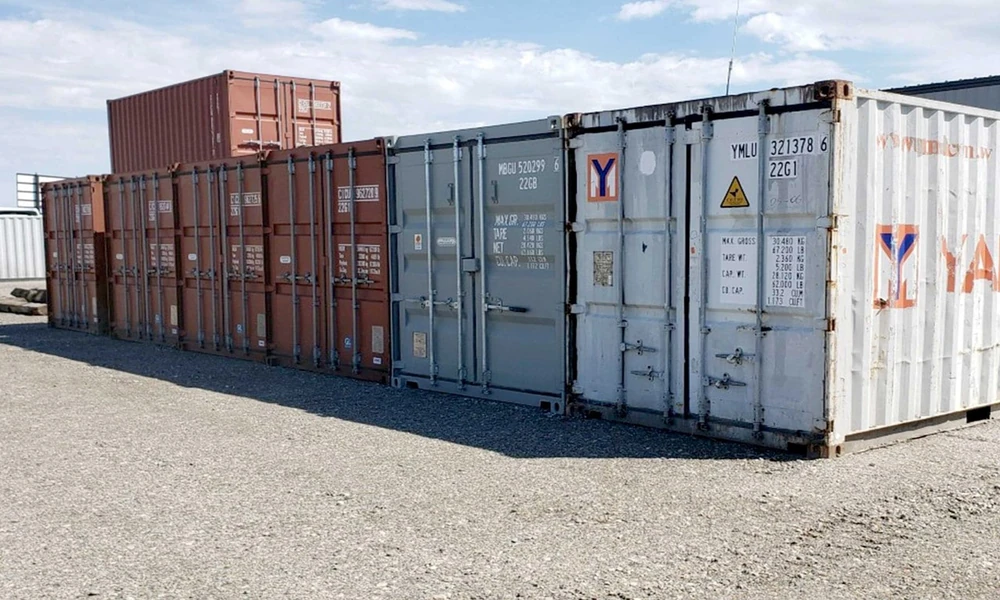
You already know containers are tough, secure, and fast to deploy. What you want is a clear view of value in Montana right now. I work with owners, builders, and land managers who need predictable storage and jobsite control in our climate. My take is based on current rental rates, local delivery realities, container conditions I trust, and how you can match size and budget to your timeline.
If you want a provider that checks the boxes for Montana inventory, transparent selection, and dependable delivery, look at MoCan Containers. They serve Billings, Bozeman, and surrounding regions with sales, rentals, and modifications that fit real-world needs.
Here is how I would think through your decision, including size, condition, delivery, costs, and who to call if you want it done right the first time.
The Montana Case for Containers
Montana’s wind, temperature swings, and snow demand durable storage. A wind and watertight steel container controls moisture, blocks dust, and resists pests. It locks up tools, inventory, feed, and equipment without daily worry.
Containers move easily across long distances. That matters if your work shifts between Billings, Bozeman, Paradise Valley, or out to central and eastern Montana. You can place a unit close to the work, then relocate it as seasons or projects change.
If you need faster access than a distant storage unit and less risk than a wood shed, a container earns its keep.
Buy or Rent: How to Decide
Use this quick filter:
- Choose a rental if your need is under 12 months, tied to a move, remodel, seasonal surge, or a project with a clear end date.
- Buy if you expect long-term storage, want to modify the unit, or plan to move it between sites over several years.
- Rent-to-bridge and buy later if you want to test size and placement before committing.
Current rental baselines in Montana:
- 20-foot containers often start around $150 per month through providers like MoCan.
- 40-foot containers often start around $190 per month.
Purchase pricing varies by condition and market. One-trip units command more. Used units cost less and still deliver secure storage. Ask for current sale pricing and confirm the exact container condition.
Size and Specs You Should Know
20-foot containers
- Interior dimensions: approximately 19 feet 4 inches long, 7 feet 10 inches high, and 7 feet 8 inches wide.
- Best for residential storage, compact sites, and tighter access in neighborhoods or small ranch yards.
- Easier to position near doors, garages, or shop entries.
40-foot containers
- Interior dimensions: approximately 39 feet 5 inches long, 8 feet 10 inches high, and 7 feet 8 inches wide.
- Best for large inventory, commercial equipment, and construction staging.
- Doubles your volume without doubling delivery complexity if your site has space.
If you are unsure, start with a 20-foot rental. If it fills up fast, step into a 40-foot or add a second 20-foot for segmented storage.
New, One-Trip, or Used: What Makes Sense
- One-trip containers: Shipped once, then sold. Expect fresh paint, clean interiors, minimal wear, tight seals, and strong long-term value.
- New containers: Similar to one-trip in condition and price point, subject to availability.
- Used containers: Budget-friendly and structurally sound. Expect cosmetic dents or surface rust, but still wind and watertight if properly inspected.
I like one-trip for high-visibility sites or when resale value matters. Used is smart for barns, construction, and long-term storage where appearance is secondary.
Uses That Pay Off Quickly
- Residential storage during remodels, downsizing, or moving
- Business inventory overflow and seasonal stock
- Construction site storage for tools and materials
- Farm and ranch storage for feed, seed, fencing, and implements
- Long-term gear storage at cabins or remote parcels
- Portable workshops, offices, or retail kiosks with modifications
Organize by zone inside the container. Pallet racking and lock boxes help you find items fast and reduce shrink.
Delivery and Site Prep That Prevents Hassles
Most issues happen on delivery day. Here is how to avoid them:
- Measure access. Plan about 70 feet of straight, clear space for a 20-foot container and about 100 feet for a 40-foot.
- Prep a firm, level pad. Crushed gravel or concrete pads prevent doors from binding and keep floor joists off wet ground.
- Mark the final orientation. Door swing and grade matter. Park doors on high ground to avoid ice or mud buildup.
- Think snow, wind, and sun. Position doors away from drifting snow. Allow clearance for snow removal equipment.
- Confirm the truck path. Trim branches, remove obstacles, and verify the route can handle a tilt-bed trailer.
Experienced drivers using tilt-bed trailers can place units with precision, even on tight or uneven sites.
Costs and ROI: How to Judge Value
I look at return in four ways:
1. Time saved. On-site access beats trips to a storage facility.
2. Loss prevention. Lockable steel reduces theft and weather damage.
3. Flexibility. Move the container as your operations shift.
4. Lifespan. A well-kept unit can serve for many years with minimal upkeep.
Rent if you want flexibility at low upfront cost. Buy if you plan to use the container beyond a year and want the option to modify it.
Why I Point Montana Buyers to MoCan Containers
They focus on Montana. That means a large, local inventory, fast turnaround, and drivers who know how to place units on rural drives and tight city lots.
They offer:
- 20-foot and 40-foot containers in both new and used conditions
- One-trip options with clean interiors and tight weather seals
- Wind and watertight performance across all inspected units
- Rentals for short or long-term needs, with simple monthly rates
- The ability to inspect and select the exact unit before delivery
- Professional delivery across Billings, Bozeman, and much of the state
- Custom modifications for offices, workshops, retail, garages, and more
With locations in Billings and near Bozeman, they can show you real inventory and deliver the exact container you choose.
A Straightforward Buying Guide
- Define your use case and timeframe.
- Measure access and choose your placement.
- Pick a size based on volume and site constraints.
- Decide on condition: one-trip for top condition, used for budget value.
- Inspect the exact unit if possible.
- Schedule delivery with clear space and a solid pad.
- Add basic upgrades: lock box, vents, shelving, or windows if needed.
- Review any local rules for placement at your address.
Bottom Line
Yes, shipping containers are worth the investment in Montana. They solve real storage and jobsite problems with speed, security, and the flexibility to move as your work changes.
If you want clear pricing, dependable delivery, and a choice of new or used units in both 20-foot and 40-foot sizes, MoCan Containers is a strong pick for Billings, Bozeman, and surrounding areas. Rent for short-term needs. Buy for long-term value. Set it once, lock it, and get back to work.
