
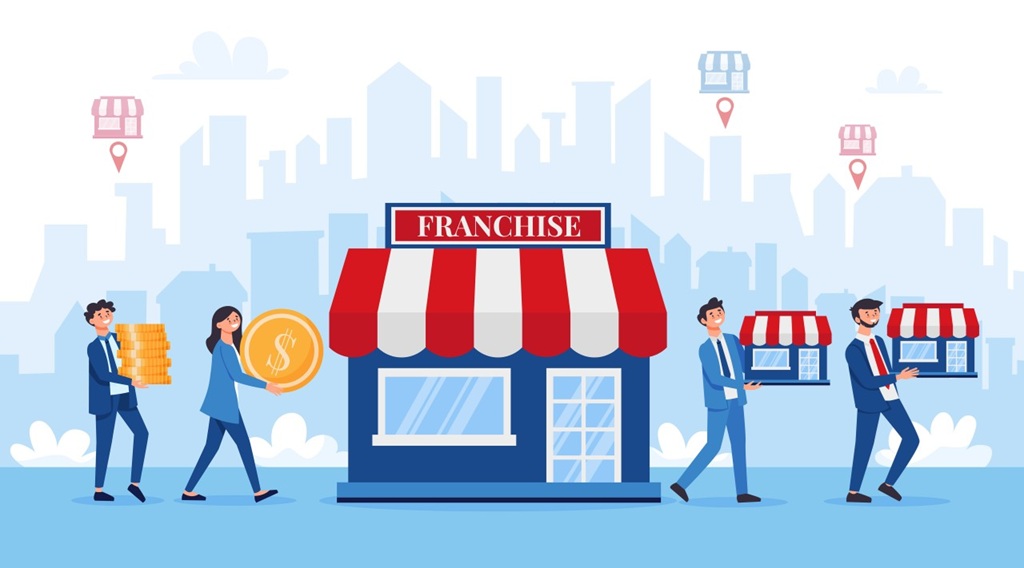
Owning a franchise is an enticing opportunity for many aspiring entrepreneurs in the United States. It offers the chance to operate a business with a proven track record, an established brand, and a built-in support system. But how do you know if franchise ownership is the right path for you? By understanding the pros and cons, knowing what to evaluate, and aligning the decision with your personal and financial goals, you can make an informed choice.
The Pros of Franchise Ownership
Plug-and-Play Business Model
One of the biggest advantages of franchise ownership is the ready-made business model. Instead of starting from scratch, you step into a structure with defined processes, marketing strategies, and operational guidelines. From training programs to standardized menus or service offerings, franchisors typically provide a clear path to follow.
Brand Recognition
Established franchises come with nationwide or even global brand recognition. This means you don’t have to work as hard to build customer trust or awareness. Familiarity with the brand often translates into a built-in customer base right from the start.
Support from the Franchisor
Most franchisors go beyond just selling the license. They supply ongoing support in areas like marketing campaigns, product sourcing, and even hiring best practices. For first-time business owners, this network can be invaluable.
Higher Success Rate
When compared to independent businesses, franchises often come with a lower risk of failure. Since the business model has been tested and refined across various markets, your chances of success improve significantly.

The Cons to Evaluate
High Upfront Costs
Franchises often require a significant initial investment. This can include franchise fees, equipment costs, real estate, and royalties. While some opportunities are more affordable than others, the financial commitment can be a barrier for some.
Limited Creativity
Many franchises come with strict rules and guidelines, covering everything from branding to day-to-day operations. If you’re someone who values creativity and freedom in the workplace, this might feel restrictive.
Royalty Payments
Most franchises require ongoing royalty fees, often calculated as a percentage of your sales. While these fees contribute to the franchisor’s continued support and marketing, they do take a cut out of your profits.
Potential for Internal Competition
Not all franchises offer exclusive territories. If a franchisor opens additional locations near yours, it can limit your growth potential and reduce earnings.
Key Factors to Consider
Your Personal Goals
What are you looking to achieve with a franchise? Are you seeking financial independence, a flexible work schedule, or the challenge of business ownership? Clarifying your personal goals is a vital first step.
Assessing Financial Readiness
Evaluate your financial situation carefully. Can you afford the upfront costs? Are you prepared for the potential of slow profits in the beginning? Franchises require a combination of initial investment and working capital to cover operational expenses before the business gains traction.
Research the Franchise Thoroughly
Not all franchises are created equal. Investigate the franchisor’s reputation, success rate, and the level of support they provide their franchisees. Demand to see a Franchise Disclosure Document (FDD) and read it thoroughly. This document provides insight into costs, obligations, and any legal disputes.
Consider Your Management Style
Running a franchise isn’t for everyone. You need to balance adhering to the franchisor’s systems with managing employees, operations, and customer relationships. Are you comfortable executing someone else’s vision instead of your own?
Evaluate Your Risk Tolerance
Every business venture carries risk, and franchises are no exception. Some industries may be more stable than others, so choose one that aligns with your appetite for risk. For example, food franchises may offer steady demand but also come with high operational costs.
Conclusion
Franchise ownership could be the perfect fit for someone seeking structure, support, and a proven business model. However, it’s not a one-size-fits-all solution. The right move depends on your goals, risk tolerance, financial preparedness, and ability to operate within a structured system.
