
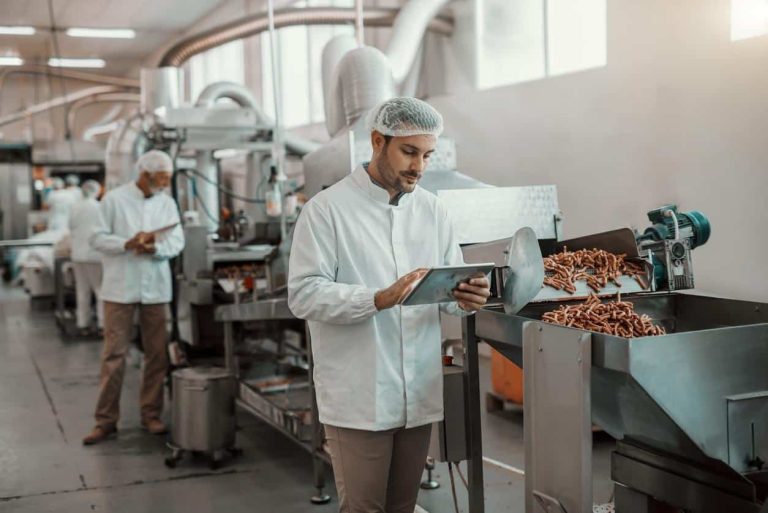
Every successful food processing facility starts with a clear vision, but turns that vision into reality through relentless attention to detail. For companies scaling up or launching new product lines, the journey from concept to commissioning is filled with challenges, designing for food safety, accommodating future growth, and meeting regulatory demands, all while keeping costs and timelines under control. Here’s how to plan, design, and operate a facility that works flawlessly from day one.
Defining the Purpose and Scope of the Food Processing Facility
Before ground breaks or equipment orders go in, every key stakeholder needs a precise understanding of the facility’s core mission.
Identifying the Product Types and Production Volume
Begin with clarity. What products will you process? Are you baking bread, packaging ready-to-eat meals, or handling raw proteins? The specific products and anticipated volume will dictate everything from floor space to the type of equipment required and even the site’s utility needs.
Regulatory and Safety Requirements Overview
Every facility must comply with a matrix of food safety regulations, from federal mandates to provincial standards. Early identification of relevant codes, like CFIA standards or specific certifications such as SQF, saves time and cost later. It’s not just about avoiding penalties; it’s about building a culture of safety from the foundation up.
Case Study: Canada Bread’s Facility Adaptations for Diverse Product Lines
At Canada Bread, flexibility is built into facility design. As demand for different baked goods ebbs and flows, the facility adapts with modular production lines and smart storage, showing that adaptability is as important as capacity.
Site Selection and Facility Layout Planning
The perfect site balances operational efficiency with logistical advantages. Choose wrong, and even the best plant layout can’t compensate.
Key Factors in Choosing the Right Location
Proximity to suppliers, access to transportation networks, utility reliability, and even workforce availability shape the decision. Floodplain risks, zoning laws, and community impact are just as critical.
Designing for Workflow Efficiency: Raw Material to Finished Product
A well-designed layout allows ingredients to move through the facility without unnecessary backtracking or cross-contamination risks. The layout must streamline every step, from goods receiving to processing, packaging, and shipping.
Case Study: Maple Leaf Winnipeg’s Optimized Plant Layout
Maple Leaf’s Winnipeg plant demonstrates this principle. Production lines, storage, and shipping bays are positioned to minimize handling and maximize food safety, leading to faster throughput and lower operating costs.
Infrastructure and Equipment Selection
Your facility’s skeleton and organs come together through smart infrastructure and technology choices.
Essential Processing Equipment and Technology Trends
Investments in automation, IoT monitoring, and high-precision tools pay off in efficiency and consistency. However, each piece must align with product needs and volume goals. Today’s trend? Integration of data-driven systems for real-time monitoring and predictive maintenance.
Utilities and Environmental Controls: HVAC, Water, Waste Management
Comprehensive control over air quality, humidity, water, and waste is non-negotiable. Poor utility planning leads to downtime and food safety lapses. Modern plants employ energy-efficient systems and advanced filtration to stay compliant and sustainable.
Case Study: Cargill’s Integration of Advanced Equipment for Meat Processing
Cargill’s facility incorporates robotics and smart sensors, drastically reducing contamination risks and labor costs, while ensuring every cut of meat meets strict quality benchmarks.
Ensuring Food Safety and Quality Control Systems
Food safety is non-negotiable. Systems must anticipate hazards before they arise.
Implementing HACCP and Other Compliance Protocols
Hazard Analysis and Critical Control Points (HACCP) protocols are the industry gold standard. Mapping risks at every process step and embedding control checks into the layout and workflow is essential.
Sanitation and Contamination Prevention Design Features
Design choices like smooth, easy-to-clean surfaces, airlocks between raw and finished zones, and hands-free doors prevent cross-contamination and reduce cleaning time.
Case Study: Canada Bread Québec’s Quality Assurance Measures
Canada Bread Québec employs frequent audits and real-time monitoring, ensuring issues are detected and addressed before they escalate.
Staffing, Training, and Operational Workflow
No plant succeeds without a skilled, adaptable workforce.
Defining Roles: From Production to Maintenance
Clear role definition prevents bottlenecks and redundancy. Whether it’s line operators, maintenance, or sanitation staff, clarity drives accountability.
Training Programs for Compliance and Efficiency
Ongoing training is vital to maintain food safety, adapt to new technology, and keep pace with evolving regulations.
Case Study: TAS Facility’s Approach to Workforce Development
TAS invests in mentorship programs and cross-training, building flexibility into their team for smooth operation during staffing changes or peak periods.
Project Management and Construction Phases
Turning blueprints into reality requires rigorous oversight.
Timelines, Budgeting, and Stakeholder Coordination
Develop detailed Gantt charts and assign clear responsibilities. Stakeholder buy-in at every phase prevents costly misunderstandings.
Overcoming Common Challenges During Construction
Delays from permitting, supply chain disruptions, or weather can derail a project. Proactive risk management ensures timelines and budgets stay on track.
Case Study: Élevages Périgord Project Execution Highlights
Despite complex requirements, Élevages Périgord delivered its facility on time through agile project management and regular communication with contractors and regulators.
Sustainability and Future-Proofing the Facility
A processing plant must be built to last and adapt.
Energy Efficiency and Waste Reduction Strategies
LED lighting, energy recovery systems, and water reuse cut long-term costs and environmental impact.
Designing for Scalability and Technological Upgrades
Flexible spaces, modular equipment, and IT infrastructure ensure today’s facility can handle tomorrow’s demands.
Case Study: Marvid’s Sustainable Facility Practices
Marvid integrates solar panels and advanced water recycling, setting a benchmark in sustainable design.
Final Inspection, Commissioning, and Continuous Improvement
No project is finished until the plant runs at peak performance.
Pre-Operational Testing and Certification
Test all systems, mechanical, safety, and quality controls, before full-scale launch. Secure required certifications and regulatory approvals without shortcuts.
Establishing Feedback Loops and Performance Monitoring
Real-time data collection helps spot bottlenecks and catch quality drift early, turning minor issues into learning opportunities rather than crises.
Case Study: Cargill Case Ready Meat’s Launch and Ongoing Optimization
Continuous monitoring at Cargill’s plant has led to incremental improvements, optimizing labor and reducing waste while boosting product consistency.
For teams seeking expert guidance, collaborating with a specialized partner can help turn vision into reality. A resource like the Stendel + Reich food plant architecture firm brings proven experience across Canada’s leading food facilities, ensuring every checklist item is addressed from the first sketch to the final inspection.
The journey from idea to operational excellence is complex, but with the right checklist, and the right partners, your food processing facility can set the standard in safety, efficiency, and sustainability.
